
Focused software for important workflows
Build
Replace spreadsheet chains, inbox coordination, or rigid workarounds with a product shaped around the people, decisions, and domain rules involved.
Eldwick Software designs focused applications, dependable integrations and data platforms, safer paths through existing systems, and governed AI workflows—then leaves your team with clear operational ownership.
Choose the path that matches what is difficult today. The architecture, experience, data, controls, and release plan follow from that problem.
Build
Replace spreadsheet chains, inbox coordination, or rigid workarounds with a product shaped around the people, decisions, and domain rules involved.
Connect
Make end-to-end work observable and recoverable across APIs, ERP and vendor platforms, databases, reporting flows, and data movement.
Strengthen
Understand the system you have, identify its failure and ownership boundaries, and create a sequenced path through modernization, migration, and release.
Govern
Set decision rights for adoption or engineer one bounded workflow with approved context, limited capabilities, validation, evidence, and human authority.
We shape the workflow, architecture, data, interface, failure behavior, and release path together. That is how a useful first version becomes software people can operate and change with confidence.
Write down the payload, identifiers, permissions, and business rules before work crosses a boundary.
Persist progress and a stable operation key. Duplicate protection also needs a durable record and compatible downstream behavior.
One system owns the authoritative result. Check uncertain writes before attempting the same business action again.
Compare expected and recorded results on a schedule chosen for the workflow; surface gaps that need investigation.
Bound retries and route unresolved work to an operator with the evidence and a controlled recovery path.
Explore systems integrationRead the steps for a complete explanation.
Our public work shows the less glamorous parts of software ownership: packaging, documentation, deployment, upgrades, recovery, and clear license boundaries.
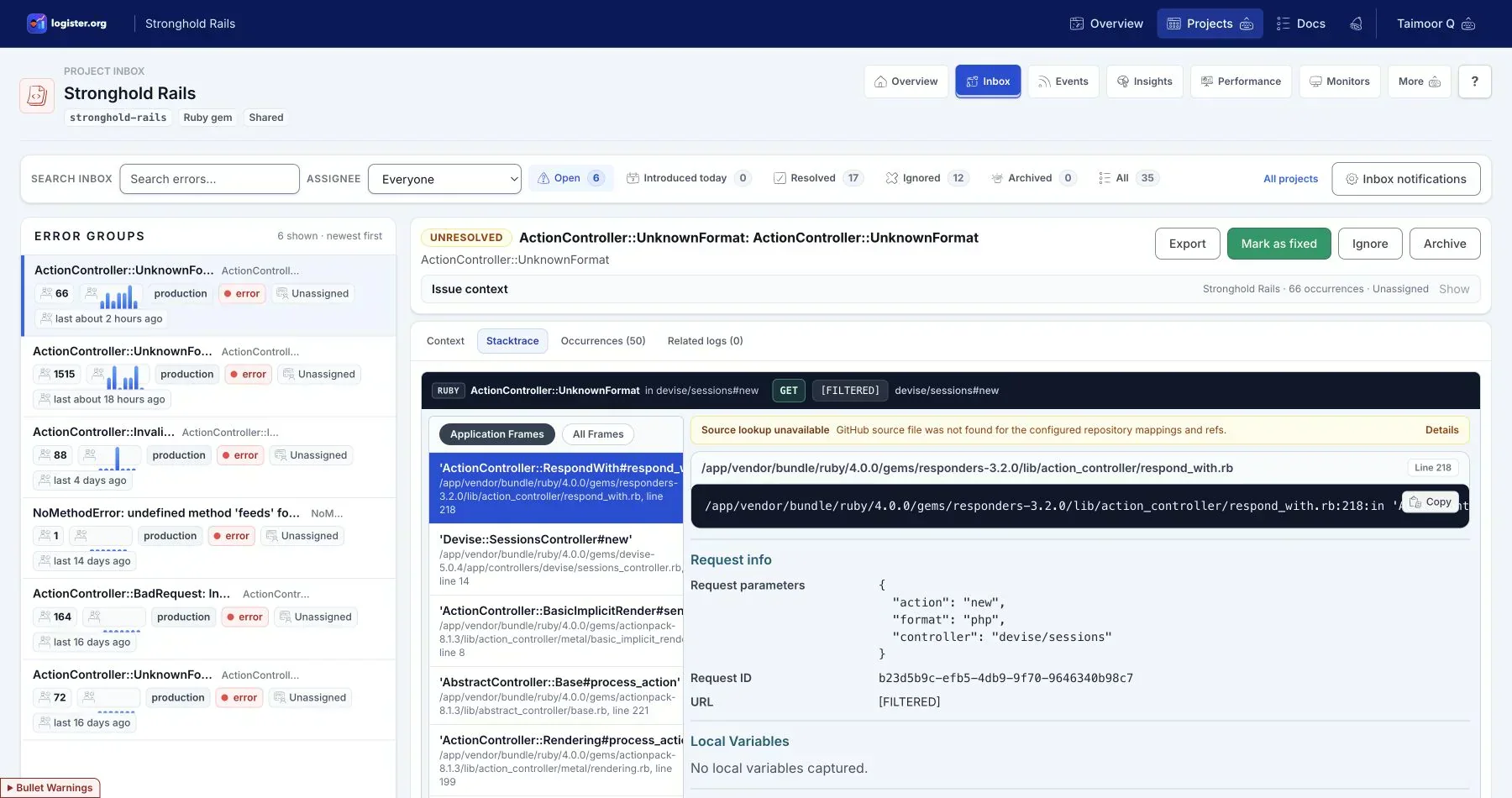
Self-hosted error monitoring and bug triage for teams that want a forkable, operable alternative to hosted-only tooling.
 PostgreSQLRecord owner
 Redis + SidekiqBackground work
 ClickHouseOptional analytics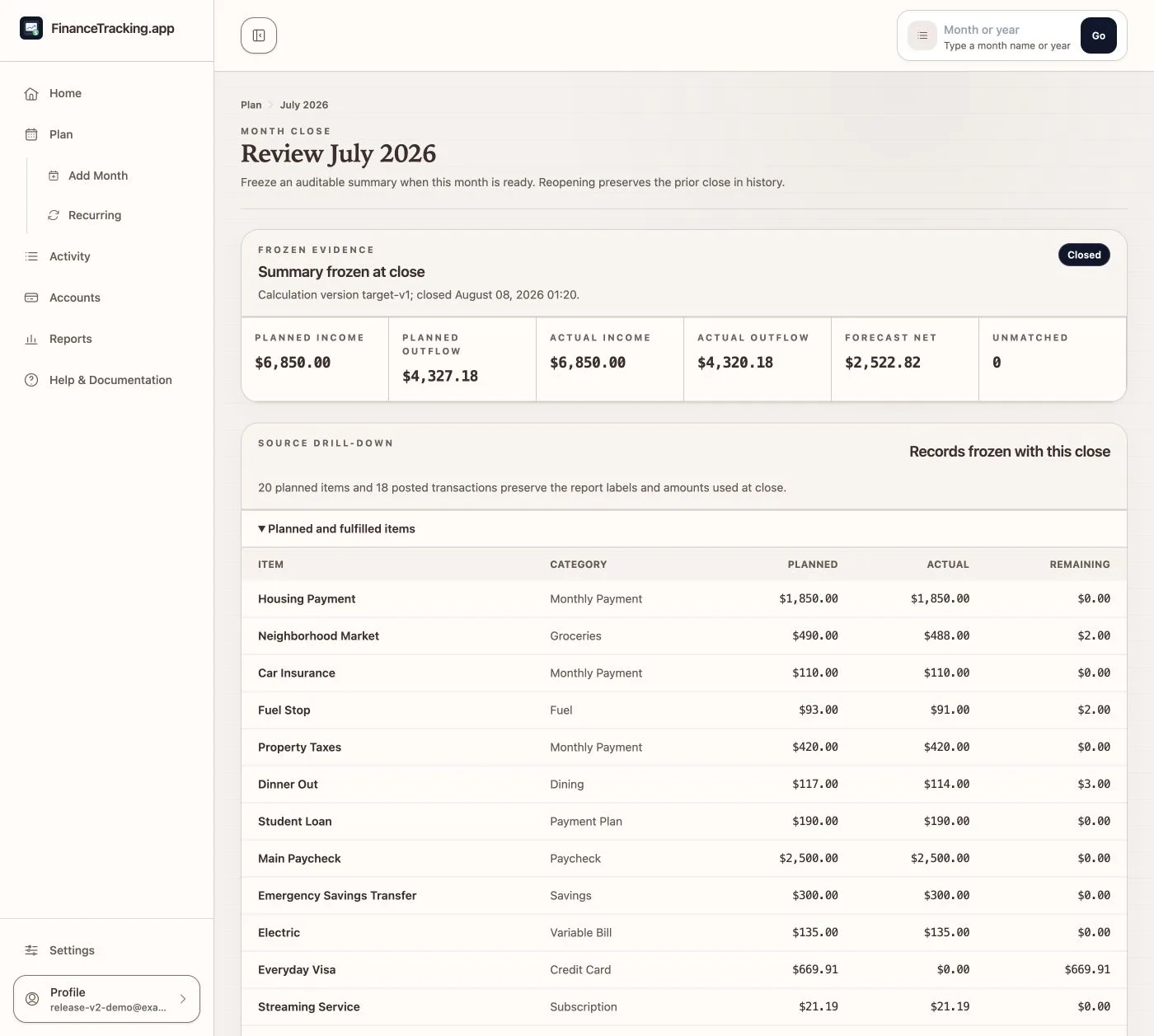
Closed-month totals and source evidence View full size (opens in a new tab)
A self-hosted monthly financial workspace for deliberate planning, confirmed activity, source-backed reports, explicit close, and recoverable backups without automatic bank sync.
FinanceTracking.app uses the PolyForm Noncommercial License 1.0.0. Its source is available for noncommercial use, modification, and redistribution; commercial use requires separate permission.
See open and self-hosted software workEach stage leaves a concrete decision, artifact, or production result. The exact shape changes with the system; the accountability does not.
Map the workflow, users, stakes, constraints, and success boundary.
Frame the workMake domain, data, integration, security, and failure decisions explicit.
Review the boundariesImplement the smallest end-to-end path with the controls needed to prepare it for production.
Deliver the first sliceTest the selected risks, prepare rollback, and verify the production result.
Plan verification and releaseLeave decisions, runbooks, documentation, and a clear next path.
Make ownership practicalRead the steps for a complete explanation.
You do not need a finished brief. Share the workflow, people, systems and data, constraints, and outcome that matter. We can use that context to identify a credible first step.
Every primary inquiry route leads to the same protected contact form.